
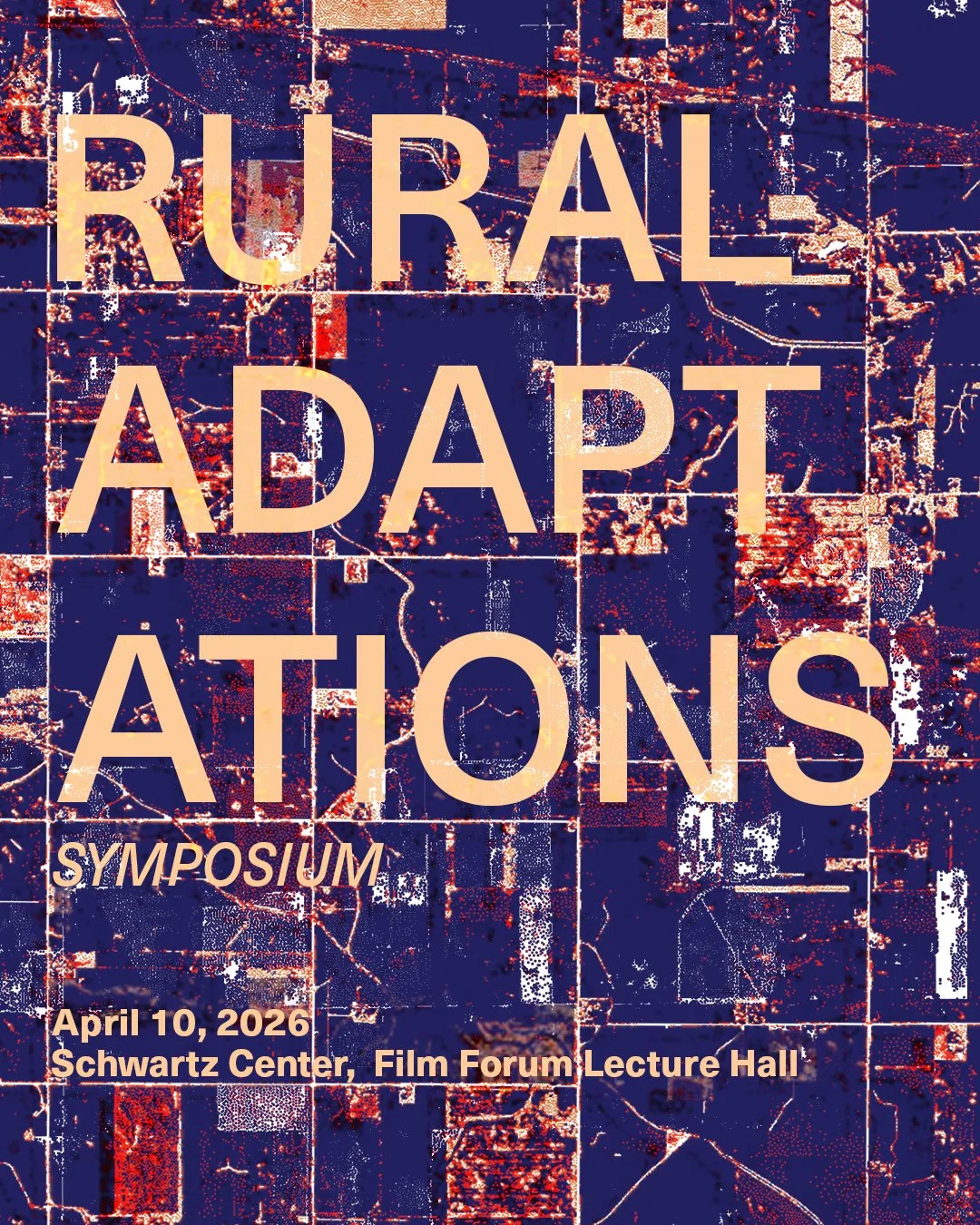
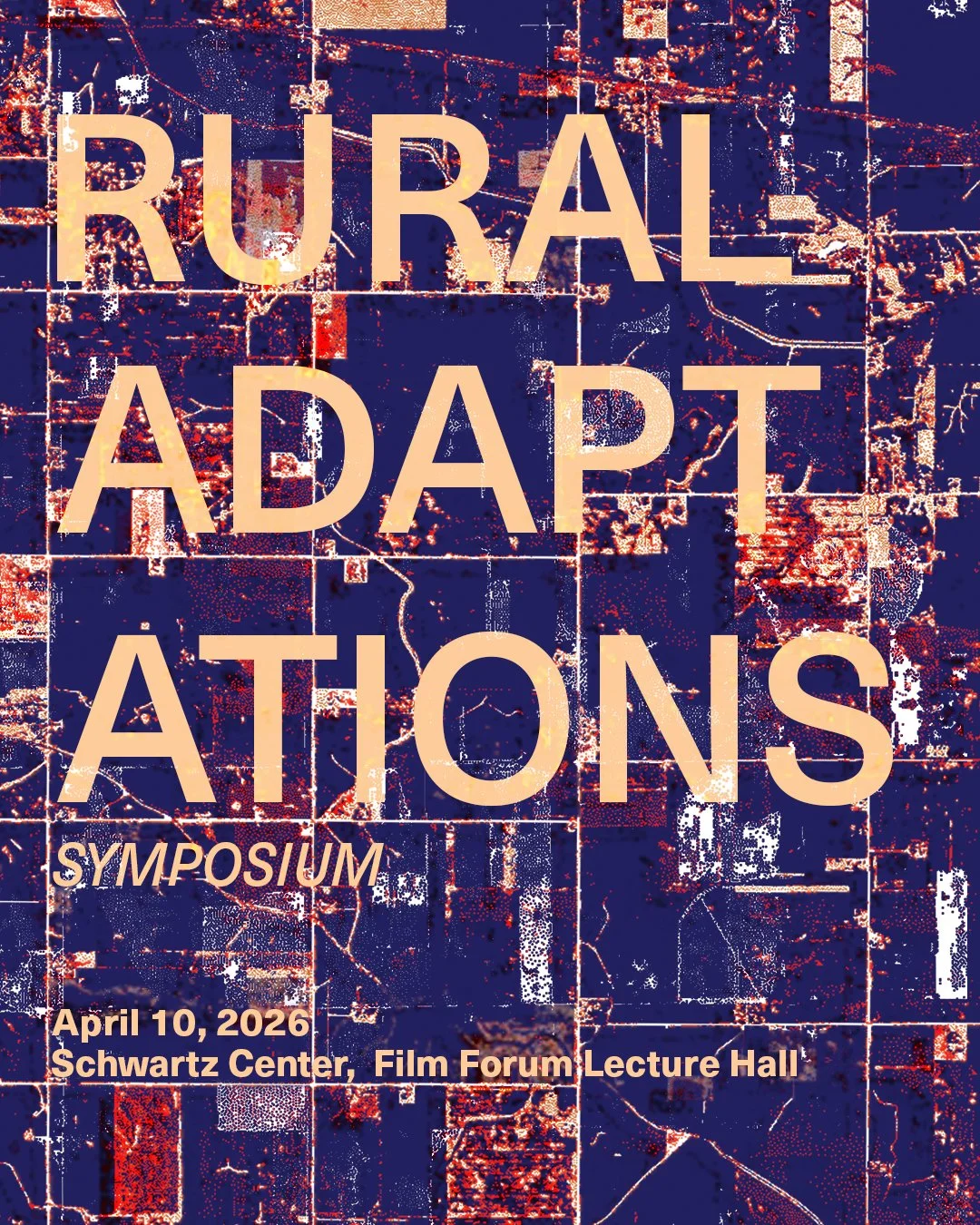
Rural landscapes—from farmlands to forests—are already confronting intensifying pressures driven by climate change. Rising temperatures, severe drought, flash flooding, and increasingly severe wildfires are reshaping ecological systems and rural livelihoods. New energy landscapes, from solar ’farms’ to rare earth mining, disproportionately impact rural communities, creating increased land use conflicts, habitat fragmentation, and environmental impacts. However, rural lands also offer great opportunities to mitigate impacts, from regenerative practices in farming, to afforestation of marginal and mine lands, to the sequestration of carbon in soils and subsurface geology. Together, these converging pressures and opportunities are driving rapid transformations of rural environments and require pro-active discussions about the role of design to help improve the ecological, social, and economic resilience for rural lands. Design is the space where land-based sciences converge to create grounded, real-world interventions. Connecting fragmented habitats, the siting of new energy infrastructures, and the development of nature-based infrastructures are spatial questions requiring design responses that build from multiple disciplines to create solutions that build real-world impact. Sensitive rural design, built from trans-disciplinary knowledge, offers the potential to build more resilient rural futures through emerging research, pilot projects, and radical collaborations.
The Rural Adaptations symposium will connect global experts with regional practitioners and researchers in the sphere of rural design to discuss some of the most urgent challenges to rural communities and highlight innovative projects that support more resilient futures. As the first in a series hosted by Cornell’s Department of Landscape Architecture, the symposium launches a broader initiative to foster cross-sector collaboration around climate-responsive design. Organized around four thematic tracks—Field, Forest, Energy + Extraction, and Lowlands—the program highlights professional practice, academic research, nonprofit initiatives, and Indigenous-led projects. The Rural Adaptations symposium aims not only to bridge research and practice, but also to build enduring connections across disciplines and organizations—laying the groundwork for the radical collaborations necessary to shape more resilient rural futures.
LA-CES Credits available through ASLA-Upstate NY. For complete event details, please contact the department (lafield@cornell.edu) for more information.
Rural Adaptations is organized by Assistant Professor Anne Weber at Cornell University. This program is made possible through Cornell University’s Department of Landscape Architecture.